

€35,00 incl. VAT
Taste Profile
Floral, peach, oolong and sparkling acidity.
| Variety | Gesha |
|---|---|
| Processing | Natural |
| Country | Panama |
| Region | Santa Clara |
| Farmer | Finca Hartmann |
| Altitude | 1.660 masl |
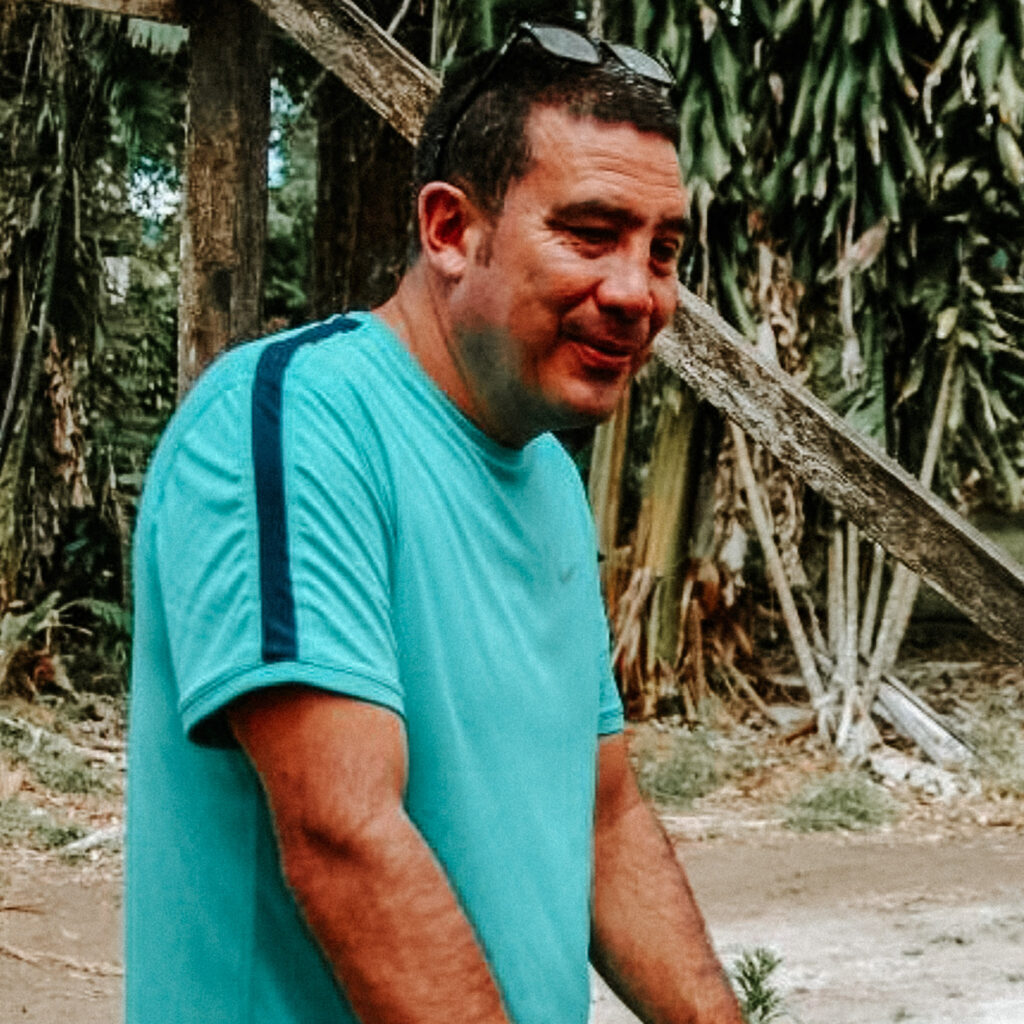
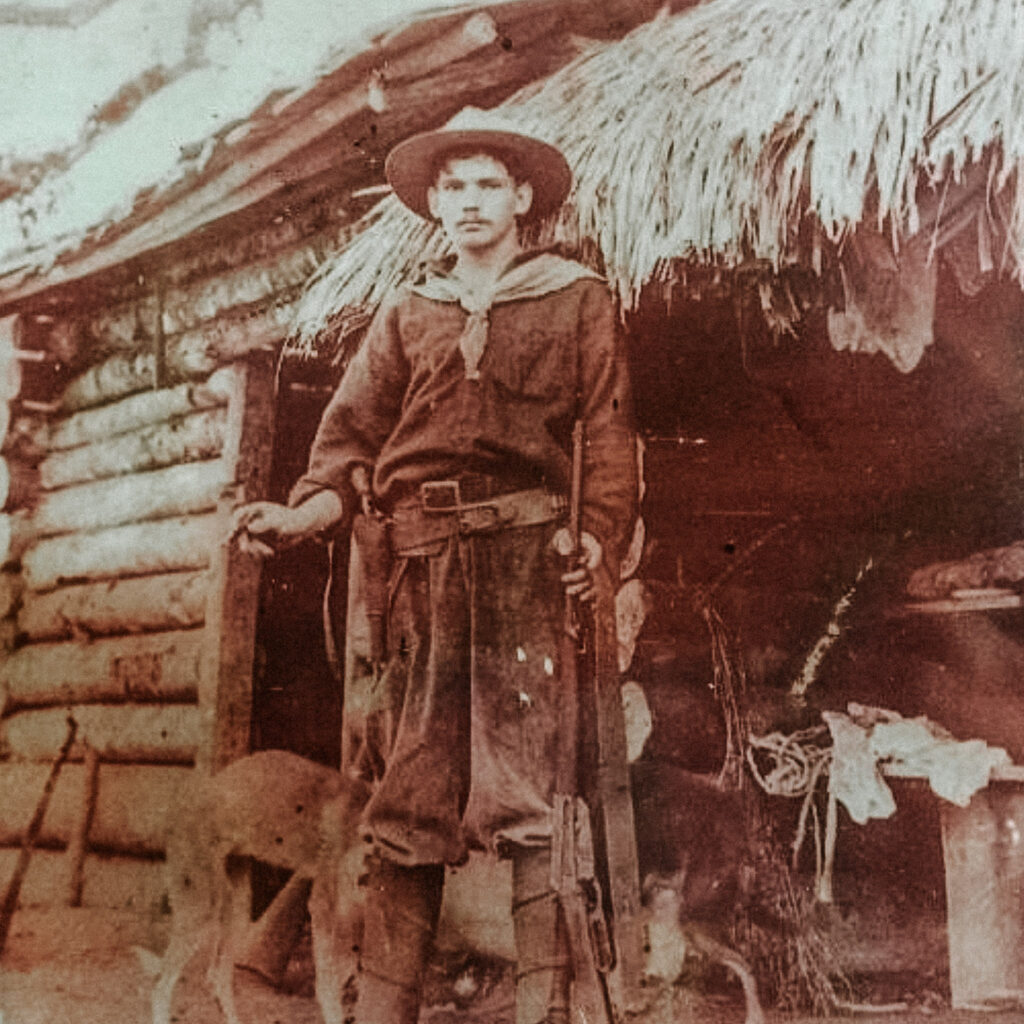
His son Ratibor Hartmann turned the 100 has farm and virgin forest he received from his father into the Finca Hartmann coffee farm. In 1966 Ratibor married Dinorah Sandí from Costa Rica. Together they raised 5 children, Ratibor Jr, Allan, Alexander, Aliss and Kelly.
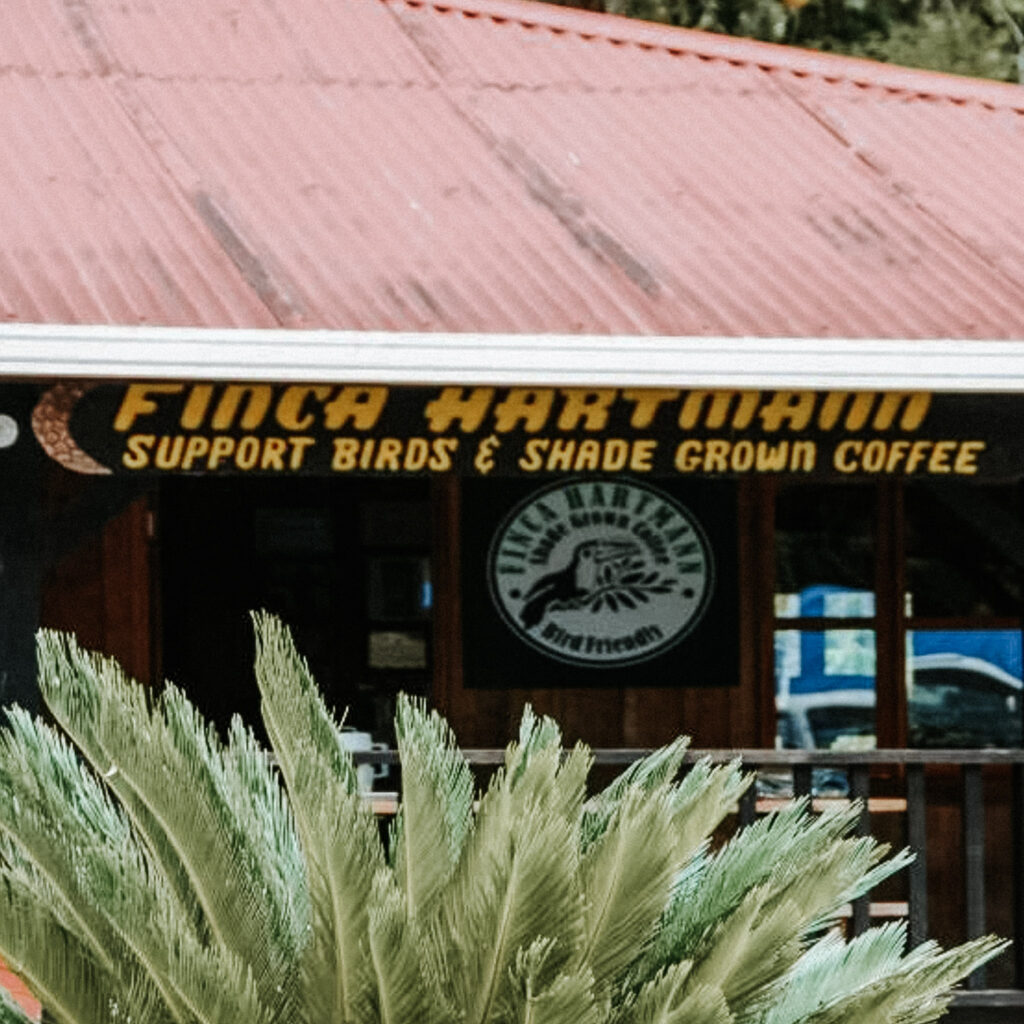
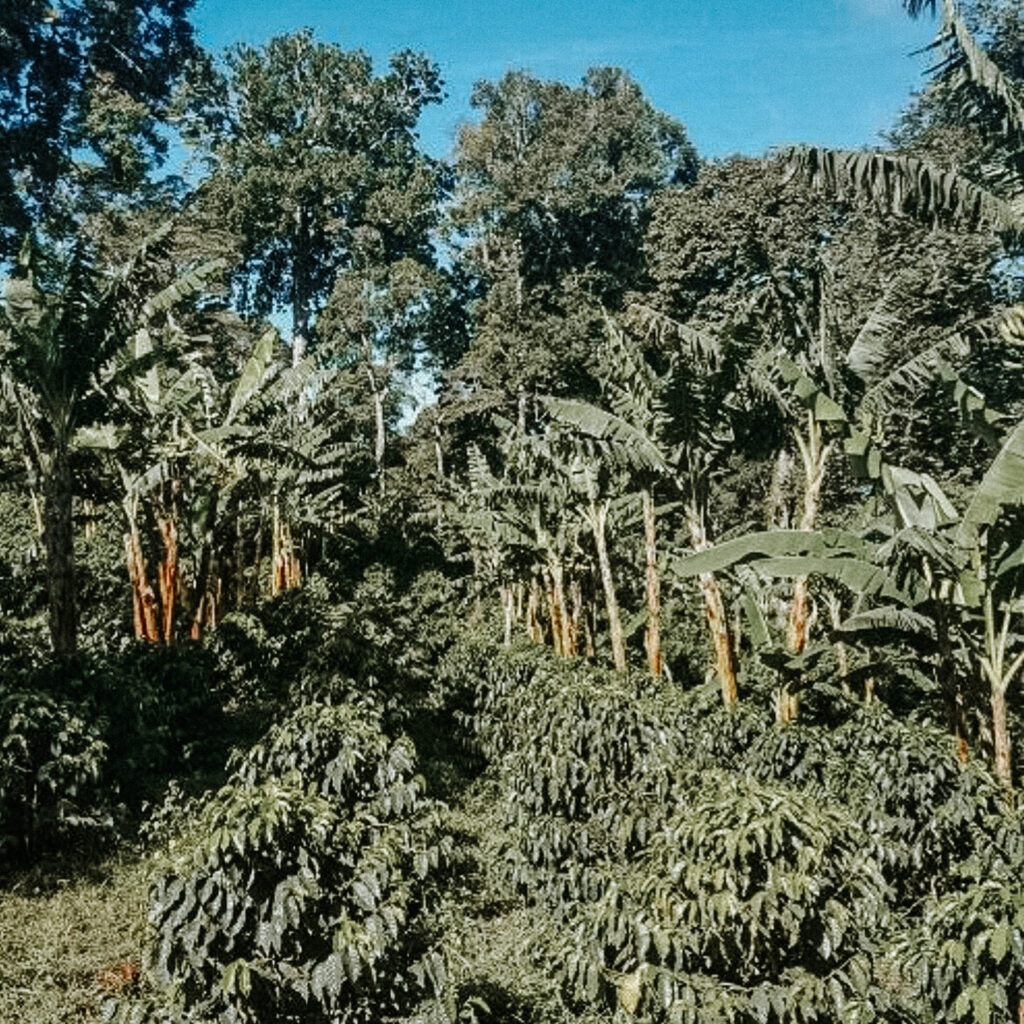
Today Finca Hartmann is a family enterprise – each member of the family is passionately involved in the management and performs a different function in the growth, production, quality control, marketing and tourism offer of the farm. Coffee for them is a way of life, their culture, their family – a lot of work, but also a lot of love. Their harvest employees return every year, as do their buyers, because they like their vision: work together with nature, work the land without destroying it. The finca consists of several smaller farms/lots, all located between 1.300 and 2.000 mts above sea level with nearly 100has of forest reserves bordering on the Parque Nacional de La Amistad. The coffee is grown under the shade of native rainforest trees that have been there for many years. The Hartmanns try not to cut trees, they replant native trees and plantains to maintain the natural cycle and a healthy soil and fauna / all with the aim in mind to sustain a long-term quality coffee production cycle.
“From the beginning, since my parents started with this farm, they have worked the land with a lot of love and respect. We are following in their footsteps, we love this farm, we love what we do, despite the difficulties one might face in the market, and we intend to pass this passion on to our children.” Aliss Hartmann “My father always linked the coffee production to the conservation of the environment.” Ratibor Hartmann
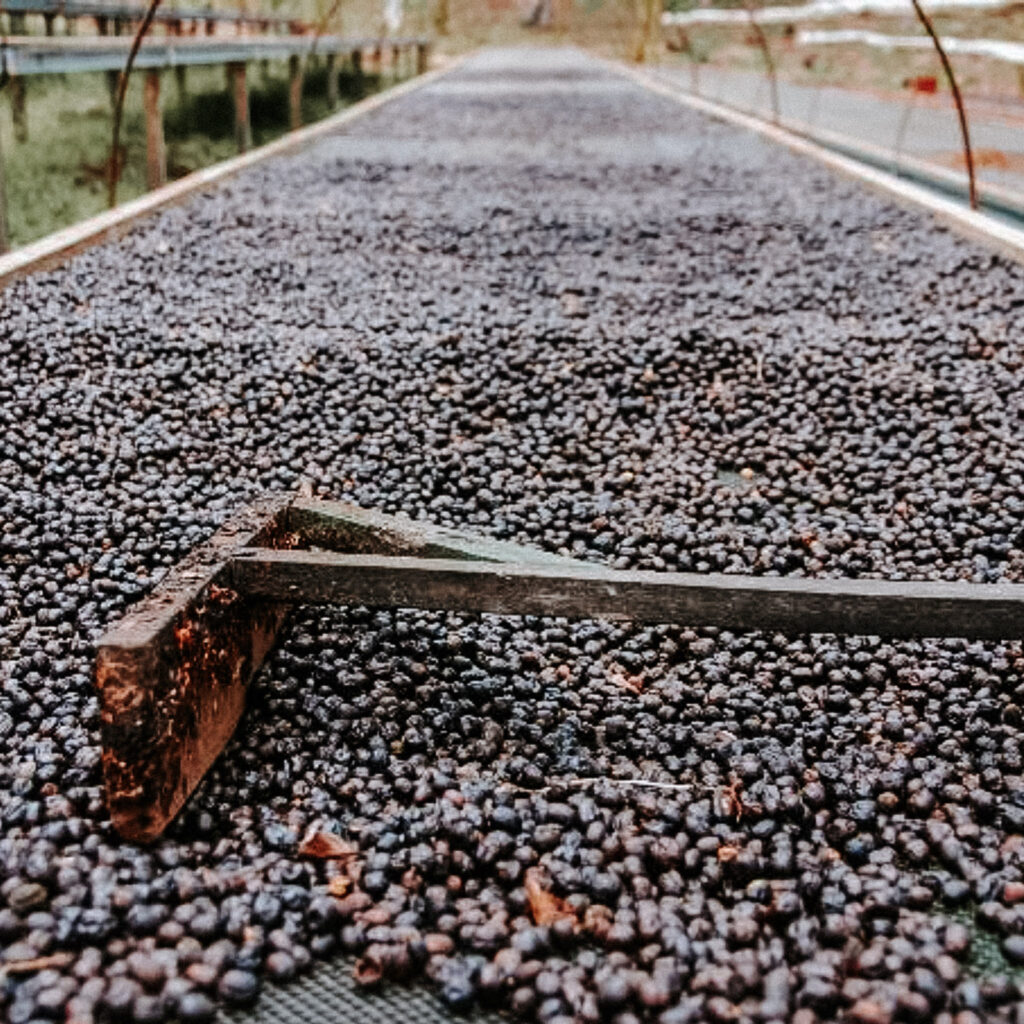
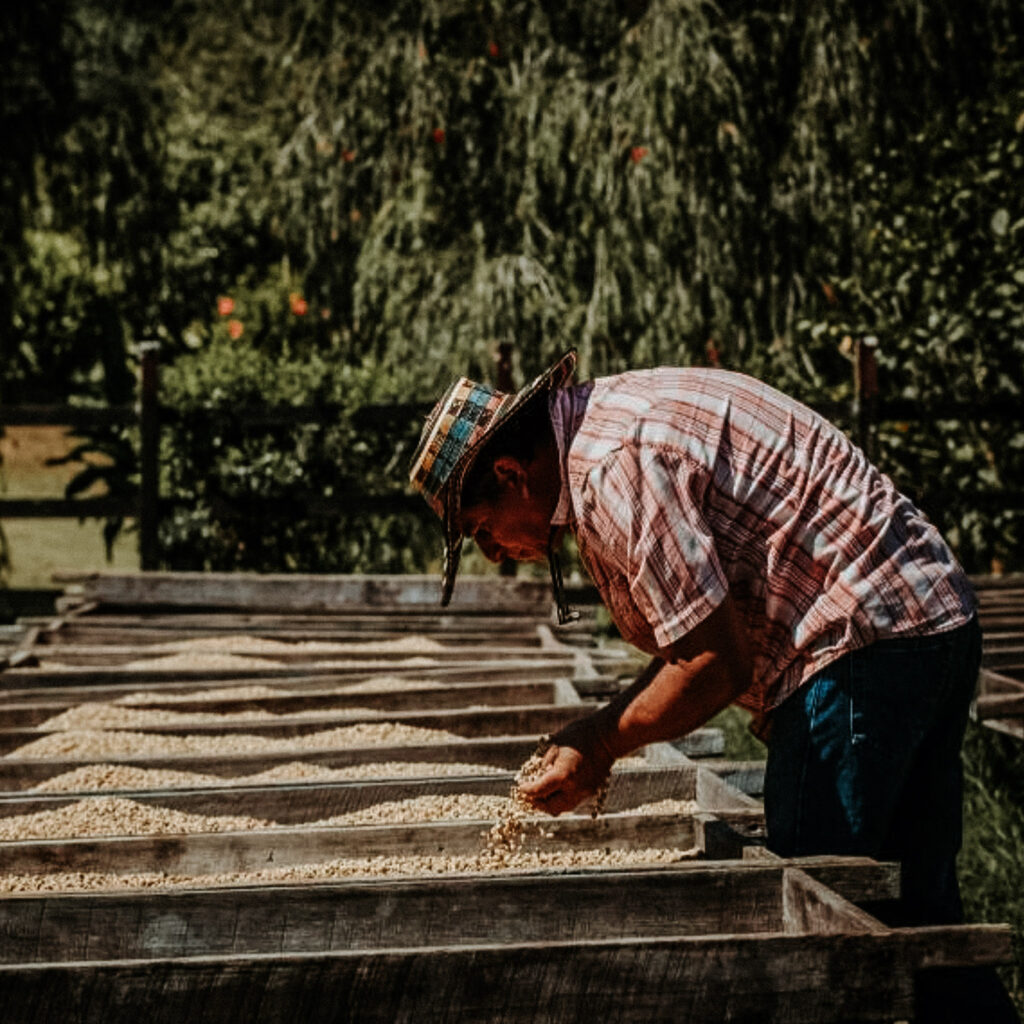
The natural process is started on African raised beds, after picking at the ripest stage. The Hartmanns are very careful that not one drop of water touches the cherries between harvesting and them going on the beds, since water would loosen the mucilage from the skin and the beans and then the sugars would not be transferred as well into the beans, as if they were kept dry. Depending on the weather conditions they are dried outside between 12 and 17 days down to 14.% humidity which is when they go into mechanical driers, where they are finished drying down to 11%-11.5%. In the mechanical driers they try to replicate the same conditions as outside, meaning they dry them slow, without too much heat, and a lot of air flow (which is much more important than heat when drying the beans properly and to the core). Sometimes they even switch the driers off at night to let the beans rest.
Experimantal Lots / Anaerobic Processing
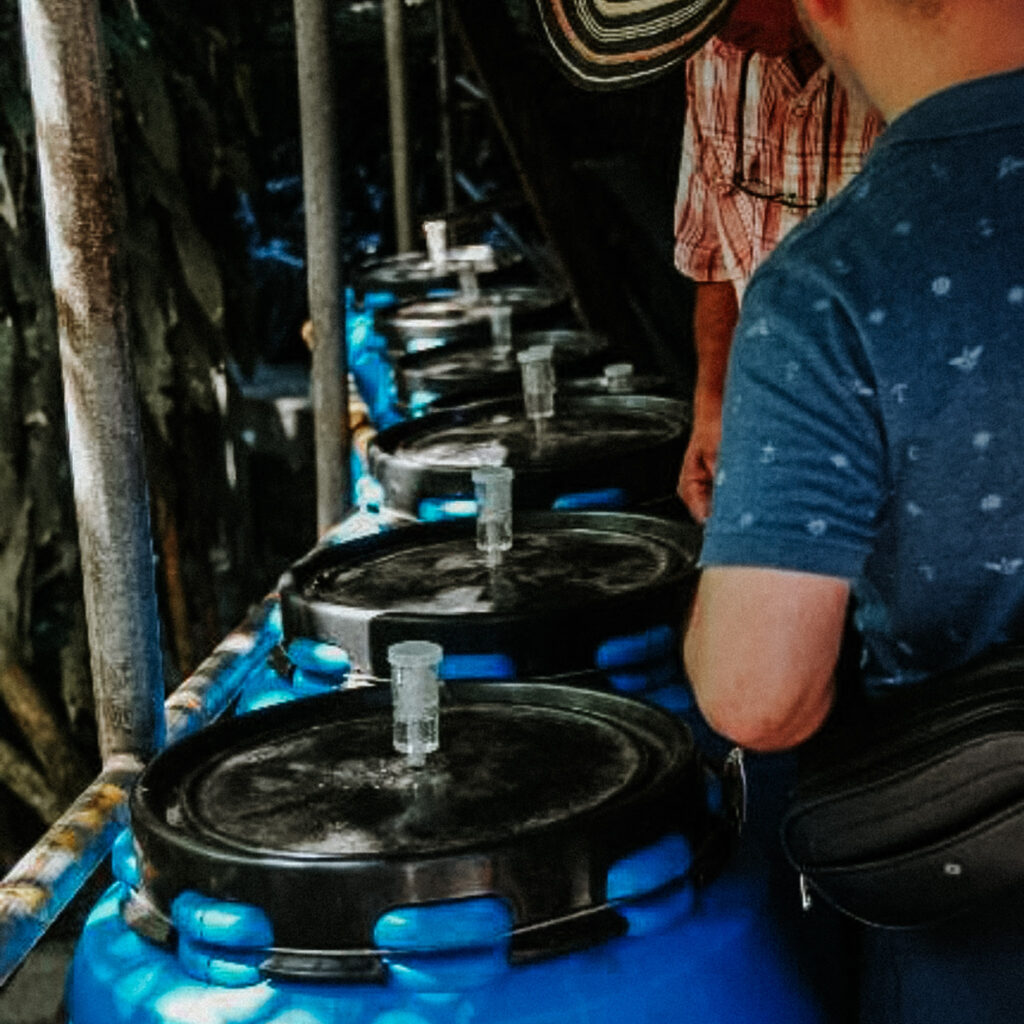
The Hartmanns are one of the pioneers in Panama in experimenting with new processing techniques but also with new varietals – varietals, that have not been present in Panama before, trying to find varietals that feel at home in Panama (like once the Geisha varietal), figuring out the right terroir for each new varietal on which it performs best, etc. The first outcome of these experiments is a varietal called Chicho Gallo, originally brought to Panama from Ethiopia as “Amaro Gayo” (also a region in Ethiopia). The varietal’s original flavour profile shows complex floral and fruit flavors, apricots, strawberry, subtle blueberry. In the Chicho Gallo the floral aspects are definitely very pronounced, together with citrus (orange, grapefruit) flavors, citrus flower, stone fruits, bergamot, some even mention sweet tomatoes.
Credit: Goldkind
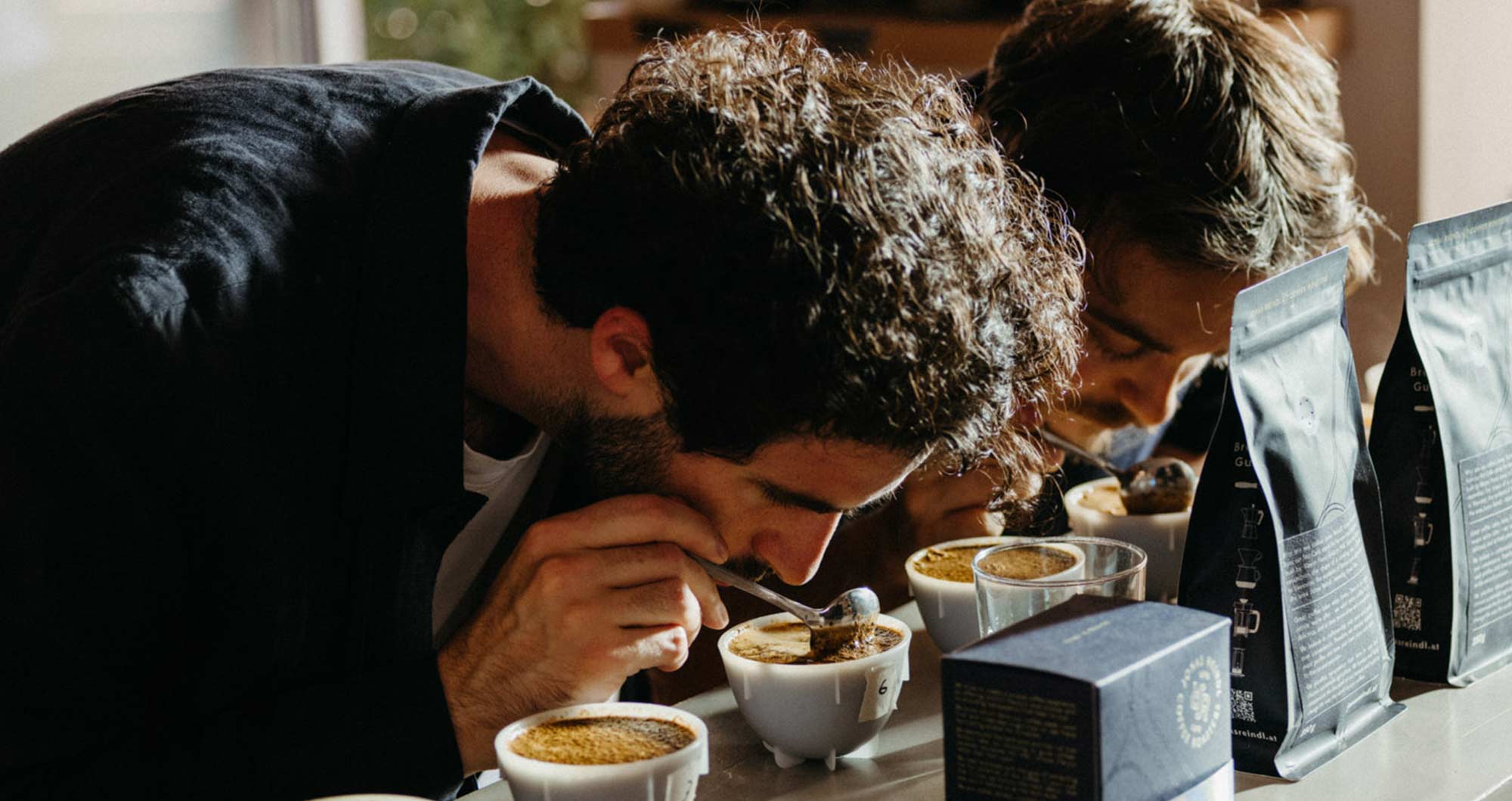
We hope to provide our customers with the best and therefore pay close attention to all factors affecting the quality of our coffee. These include cultivar, growing altitude, climate, soil chemistry, harvesting and processing conditions, drying method, storage conditions, transportation, roasting conditions, grind size, brewing water and brewing recipes.
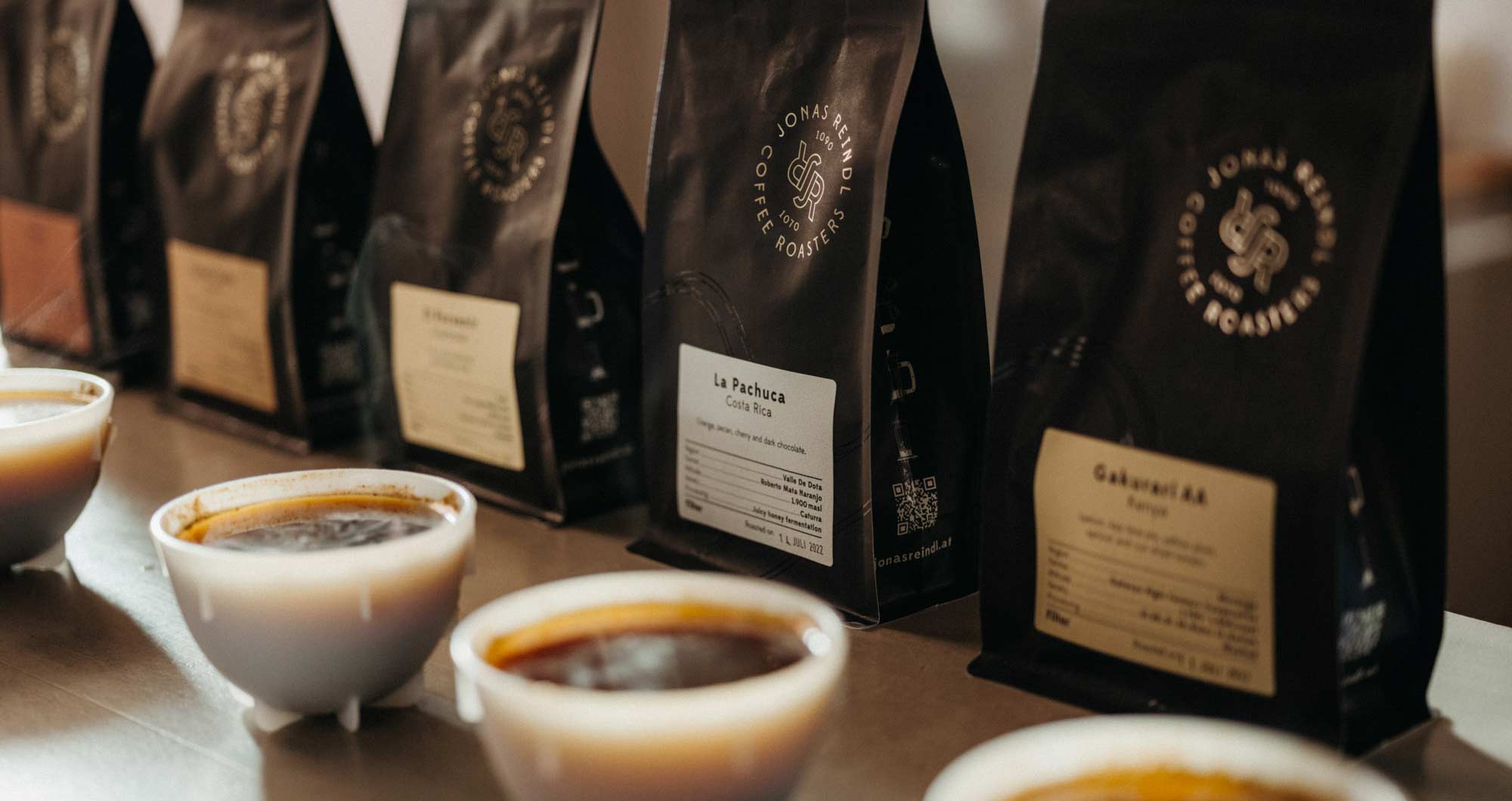
Each one of our coffees is carefully selected by our roasting team. Before we buy in bulk, we go through many samples from different specialty coffee estates. Often times we are working with the most renowned coffee producers in the world.
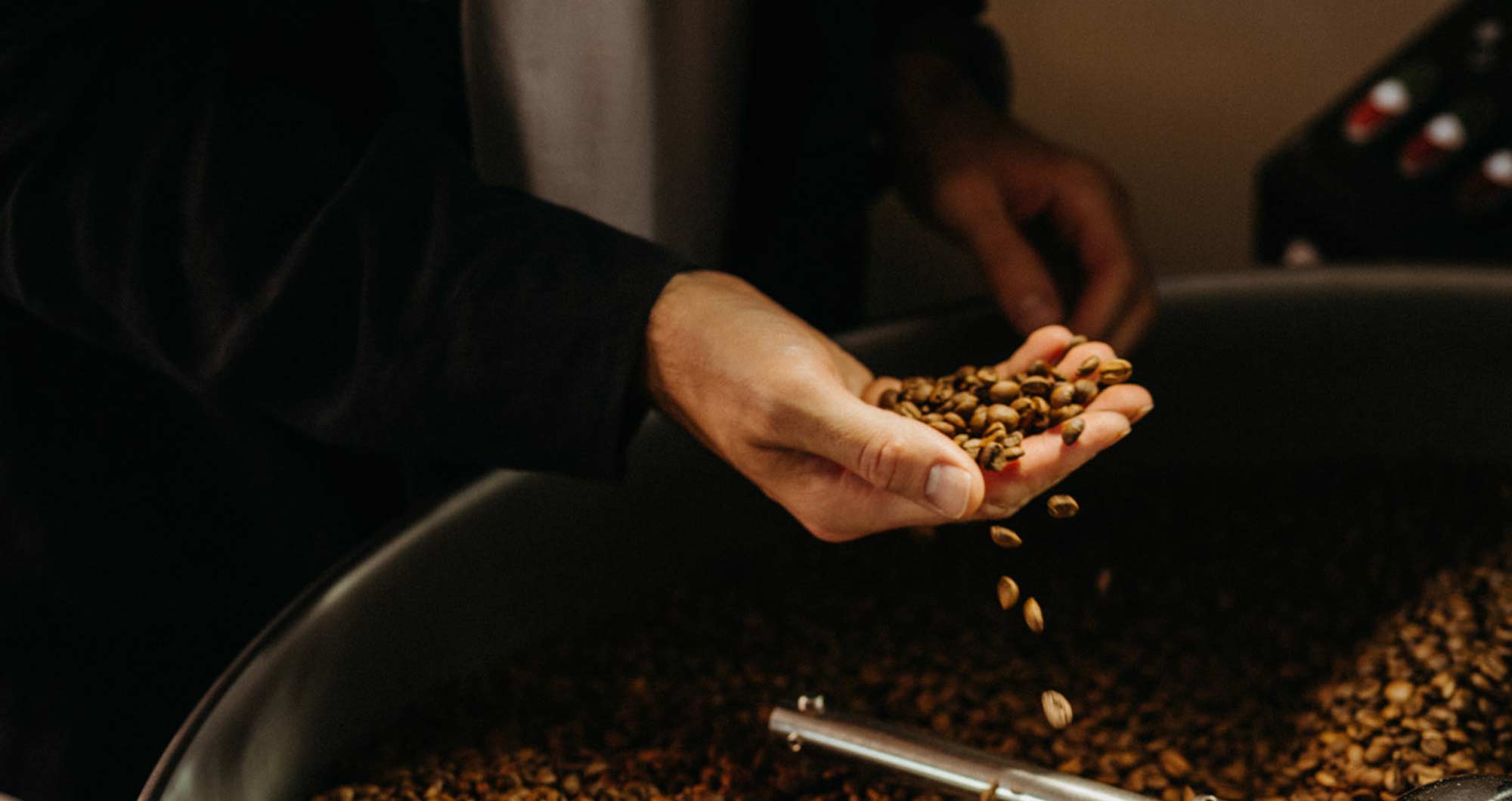
All our coffee is roasted in our Roastery in Westbahnstraße 13, in Vienna. We roast small batches (10kg max) because we have better control over all the parameters that impact the flavour profile and can therefore better guarantee consistency.
We ensure traceability for all our coffees. Our house Espresso from Nicaragua is directly traded without any middle-men and when we go through a wholesaler, complete transparency is a must. We want to provide our customers with the ability to know where their coffee comes from down to the name of each farmer.
CAFÉ
Währinger Strasse 2-4
1090 Vienna
Hours
MON – FRI 8:00 – 17:30
SAT – SUN 9:30 – 17:30
CAFÉ AND ROASTERY
WestbahnstraSSe 13
1070 Vienna
Hours
MON – SUN 9:30 – 17:30
We are always open
CAFÉ
JOSEFSTÄDTER STRASSE 67
1080 VIENNA
Hours
MON – SUN 9:30 – 17:30
We are always open
CAFÉ
Landstrasser Hauptstrasse 21
1030 VIENNA
Hours
MON – FRI 8:00 – 17:30
SAT – SUN 9:30 – 17:30
You are currently viewing a placeholder content from Vimeo. To access the actual content, click the button below. Please note that doing so will share data with third-party providers.
More InformationYou are currently viewing a placeholder content from YouTube. To access the actual content, click the button below. Please note that doing so will share data with third-party providers.
More InformationYou need to load content from reCAPTCHA to submit the form. Please note that doing so will share data with third-party providers.
More Information