

Musasa Bonbon
Rwanda
€65,00 incl. VAT
1000g
Taste Profile
Gummy bears, pineapple juice and nectarine.
Additional information
| Variety | Red Bourbon |
|---|---|
| Processing | Anaerobic natural |
| Country | Rwanda |
| Region | Ruli Sector, Gakenke District of Northern Province |
| Farmer | Musasa Dukunde, Kawa Cooperative |
| Altitude | 1.771 - 1.880 masl |
SKU
MB-OMNI-1KG-2026
Categories Coffees, Espresso 1 KG, Filter, Filter 1KG
Musasa Bonbon
Musasa Bonbon
The Musasa Dukunde Kawa cooperative has four washing stations lying high in Rwanda’s rugged northwest. Nkara – the cooperative’s third washing station – was built by the co-op in 2007 with profits earned from their first two washing stations, Ruli & Mblima and a bank loan. The washing station lies at 1,800 metres above sea level and serves farmers within the Ruli Sector of Rwanda’s Northern Province.
Much of the success of Musasa Dukunde Kawa can be attributed to the transformational PEARL programme of which it was a part. The project switched the focus in the Rwandan coffee sector from an historic emphasis on quantity to one of quality, thus opening Rwanda up to the much more highly valued specialty coffee market. The programme and its successor, SPREAD, have been invaluable in helping Rwanda’s small-scale coffee farmers to rebuild their production in the wake of the devastating 1994 genocide and the 1990s world coffee crash.
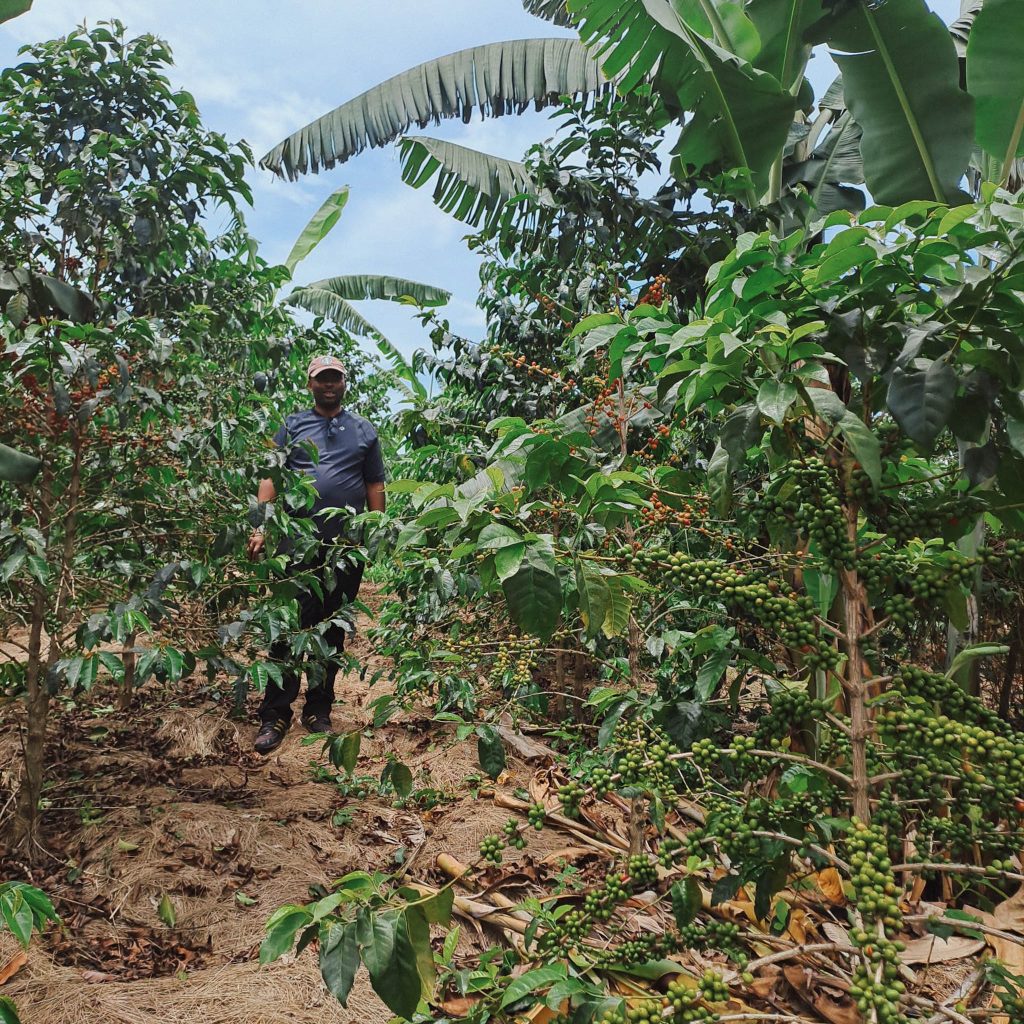
Most of the smallholder producers with whom Musasa Dukunde Kawa works own less than a quarter of a hectare of land, where they cultivate an average of only 250 – 300 coffee trees each as well as other subsistence food crops such as maize and beans. The cooperative gives these small farmers the chance to combine their harvests and process cherries centrally. Before the proliferation of washing stations such as Nkara, the norm in Rwanda was for small farmers to sell semi-processed cherries on to a middleman, and the market was dominated by a single exporter. This commodity-focused system – coupled with declining world prices in the 1990s – brought severe hardship to farmers, some of whom abandoned coffee entirely.
Today, it’s a different picture. Farmers who work with Musasa Dukunde Kawa have seen their income at least double, and the co-op produces some outstanding lots for the specialty market year after year. ‘Musasa’ means ‘a place to make a bed’ and ‘Dukunde Kawa’ means ‘let’s love coffee’ in Kinyarwanda – a reference to the power of coffee to improve the lives of those in rural communities.
Musasa Dukunde Kawa now owns four washing stations and is one of Rwanda’s larger cooperatives, with over 1,193 members, and working with over 4,000 smallholder producers. Nkara washing station is the smallest and began serving local farmers in 2007-8, currently buying and processing cherries from between 15-20% of the cooperative’s membership. The numbers and paperwork involved are substantial! With the help of the Wet Mill manager, 4 permanent employees and around 53 seasonal workers, this mill has truly prospered. This specific lot was received in peak of the season by 66 smallholder producers.
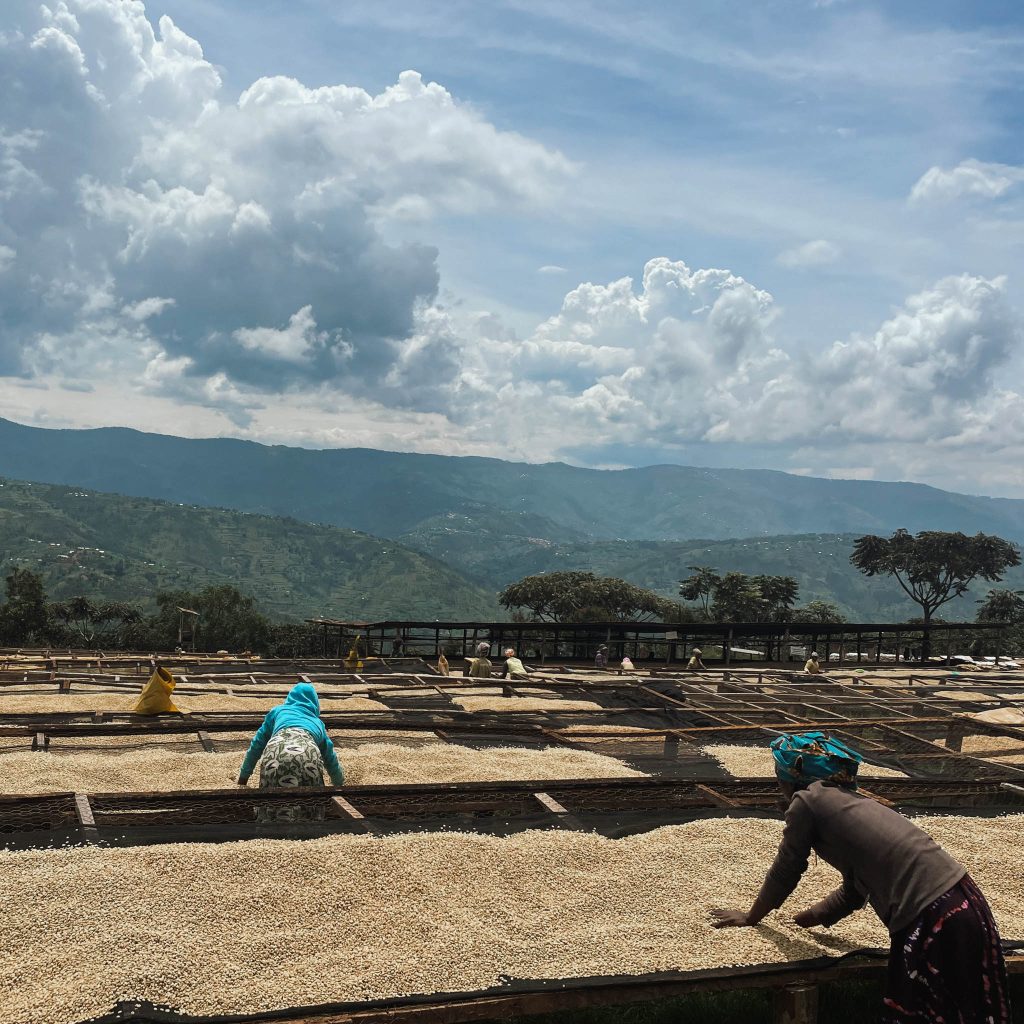
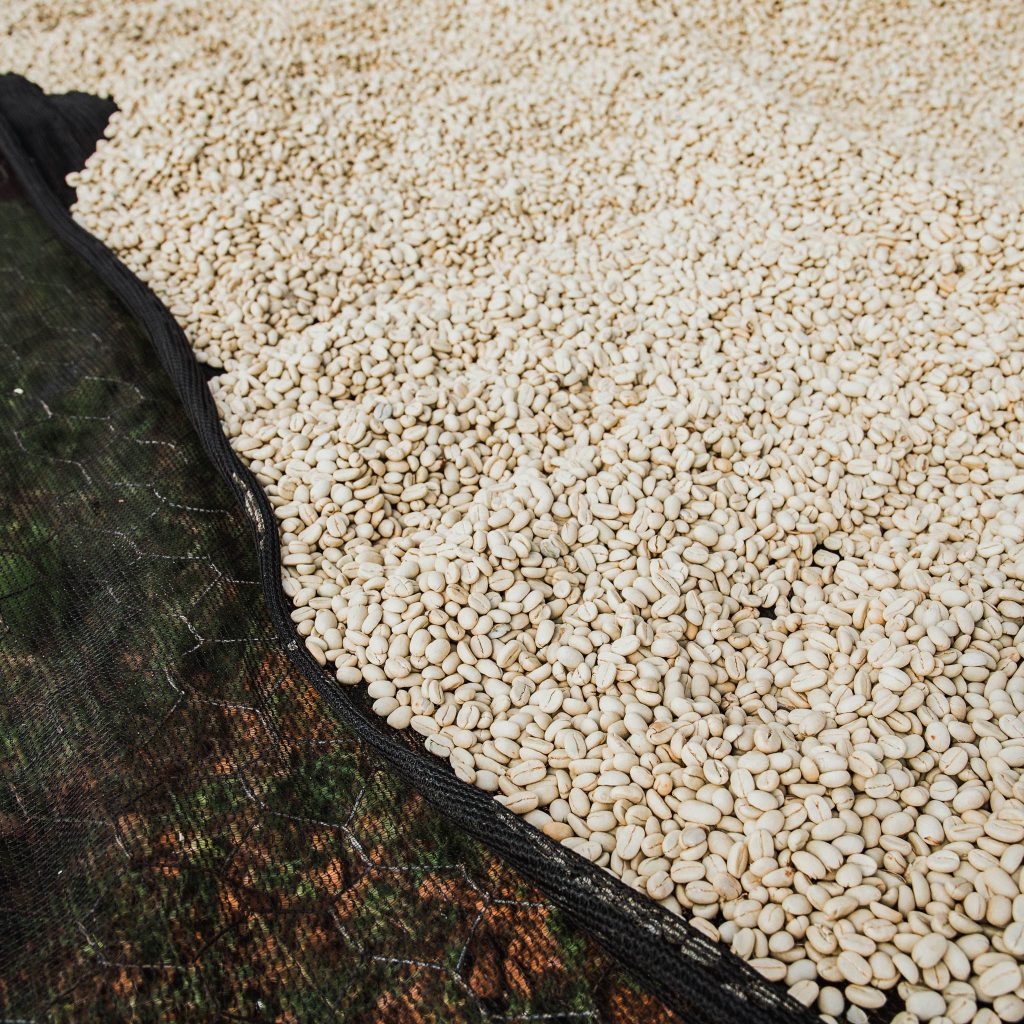
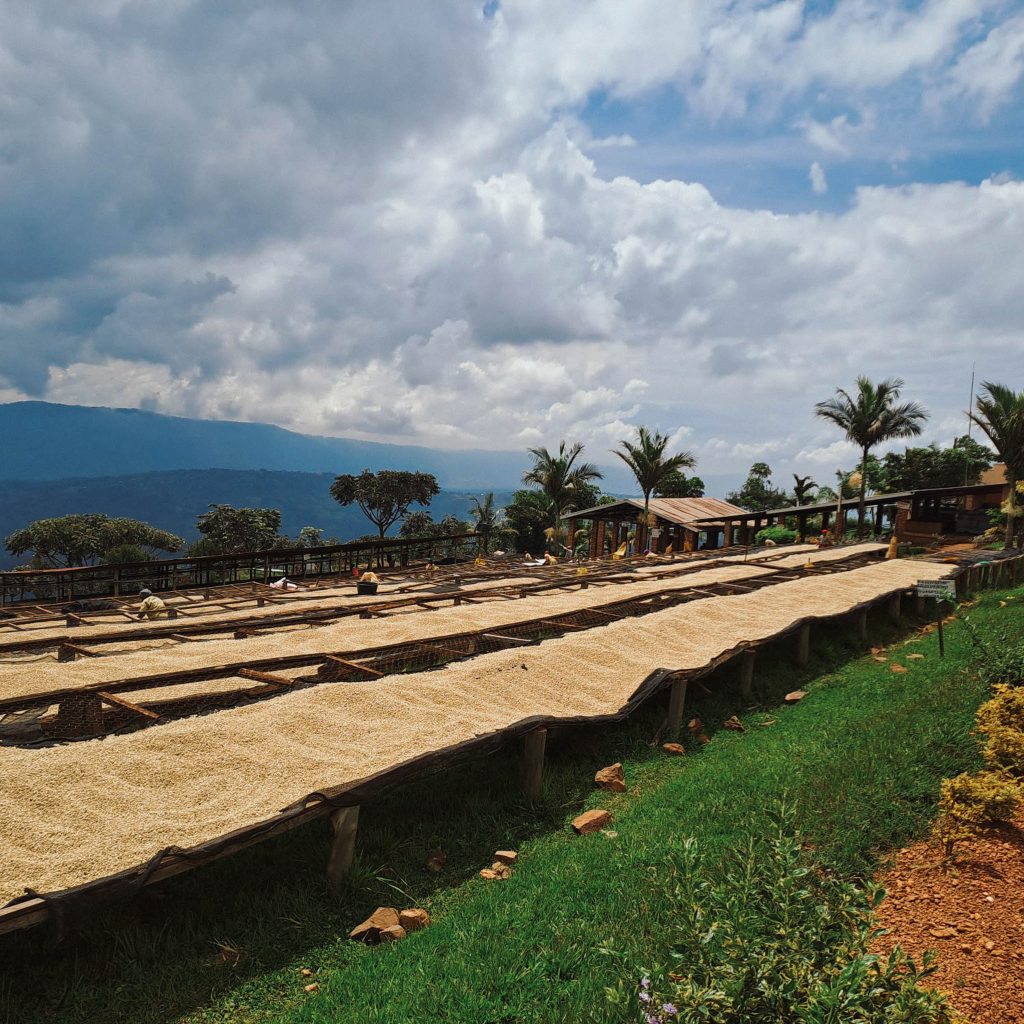
The level of care that Musasa Dukunde Kawa Nkara takes over the processing is impressive. This specific lot underwent the Anaerobic Natural processing methods. Cherries are hand-picked only when fully ripe and delivered to the wet mill to be sorted. The cherries are then placed in sealed tanks to anaerobically ferment for 100 hours. The coffee is then dispersed on raised beds to dry in the open sun for 45 days, or until the moisture content reaches 12%.
Once dried, the coffee is milled at the cooperative‘s dry mill in Ruli before export. The station operates during the harvest season from March to October, with processing from April to June at peak harvest. Nkara’s coffee grows in fertile loamy soil with consistent temperatures of 17-18°C and annual rainfall of 1,200-1,300mm, contributing to the unique flavor profile of its beans.
As at most washing stations in Rwanda, women do the majority of the hand sorting. This takes place in two stages – on the covered pre-drying tables and on the drying tables. Washed beans are moved from the wet fermentation tanks onto the pre-drying tables, where they are intensively sorted under shade for around six hours. The idea is that greens (unripes) are still visible when the beans are damp, while the roofs over the tables protect the beans from the direct sunlight. Next, the beans are moved onto the washing station’s extensive drying tables for around 14 days (depending on the weather), where they are sorted again for defects, turned regularly, and protected from rain and the midday sun by covers, ensuring both even drying and the removal of any damaged or ‘funny looking’ beans. After reaching 11% humidity, the coffee is then stored in parchment in Nkara’s purpose-built warehouse prior to final dry-milling and hand-sorting at the Cooperative’s brand-new dry mill in Kigali. Each coffee that arrives is also cupped by Musasa’s team of expert cuppers along with the Q-graders of their exporting partner, Rwashocco.
Lots are usually separated out by days. Upon delivery as cherry, the coffee receives a paper ‘ticket’ that follows the lot through all its processing. This ticket bears the date of harvest and the grade (A1, A2 etc) of the coffee – for instance, if a coffee lot is called ‘Lot 1- 06/04 – A1’, this means it was the first lot processed on April 4 and the grade is A1. This simple but effective practice is a crucial tool in controlling quality and ensuring the traceability of lots.
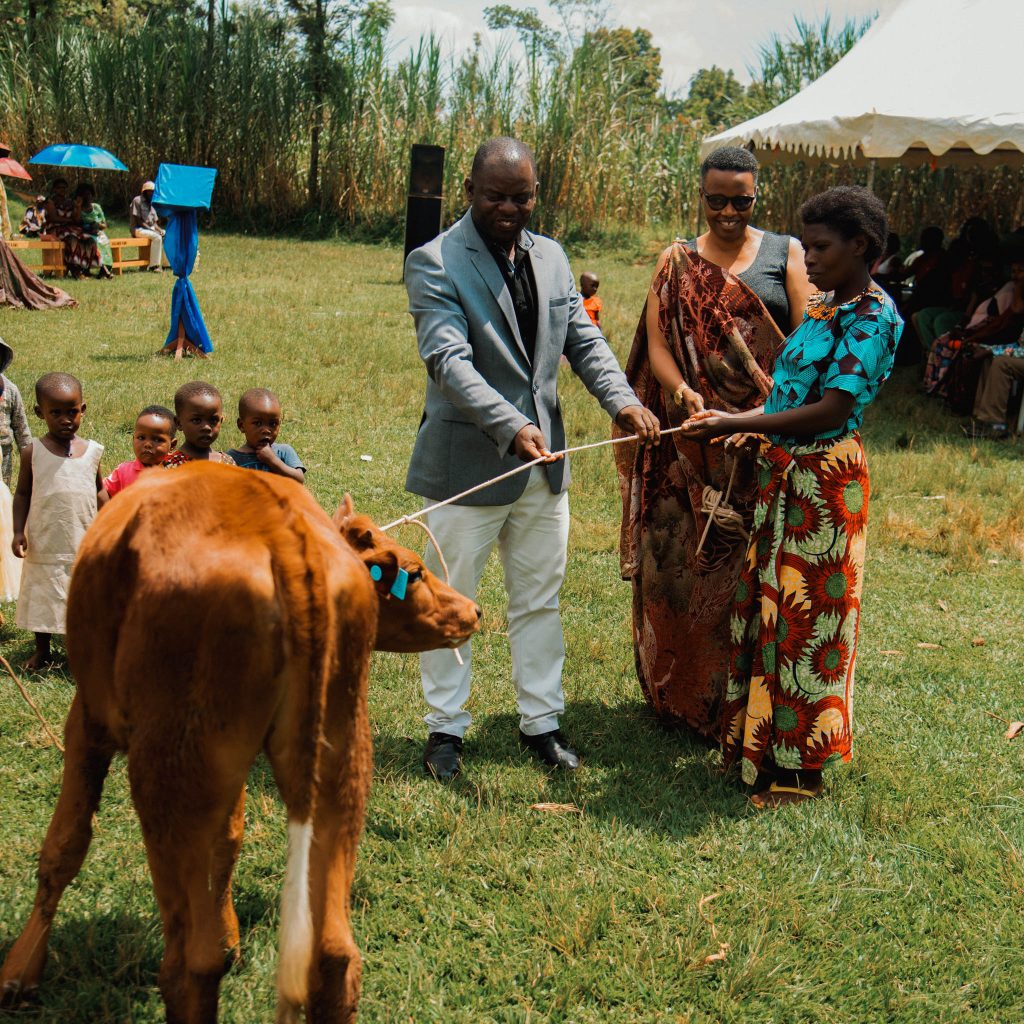
In addition to the great work that the cooperative does with quality improvement and assurance, they also have various social programs that greatly contribute to the livelihoods of their members. School fees and medical insurance are provided along with training in quality and productivity in cultivation of coffee. The cooperative also gives cows as bonus payment for quality cherry. These cows not only produce milk for cheese, which helps improve diets and provides supplementary income for farmers, they also provide fertiliser for coffee! The cooperative has also invested in a fleet of tailor-made bikes that help smallholders deliver their cherry to the cooperative‘s washing stations. This not only reduces the labour required for producers but also means that it is easier to deliver cherry on the same day as picking, which helps ensure greater quality.
Mercanta has been buying from Musasa Dukunde Kawa since 2007 – and we hope this relationship will continue for many years to come.
Credit: Mercanta
Our coffee is treated with care
Meticulous Quality
We hope to provide our customers with the best and therefore pay close attention to all factors affecting the quality of our coffee. These include cultivar, growing altitude, climate, soil chemistry, harvesting and processing conditions, drying method, storage conditions, transportation, roasting conditions, grind size, brewing water and brewing recipes.
Highly Curated
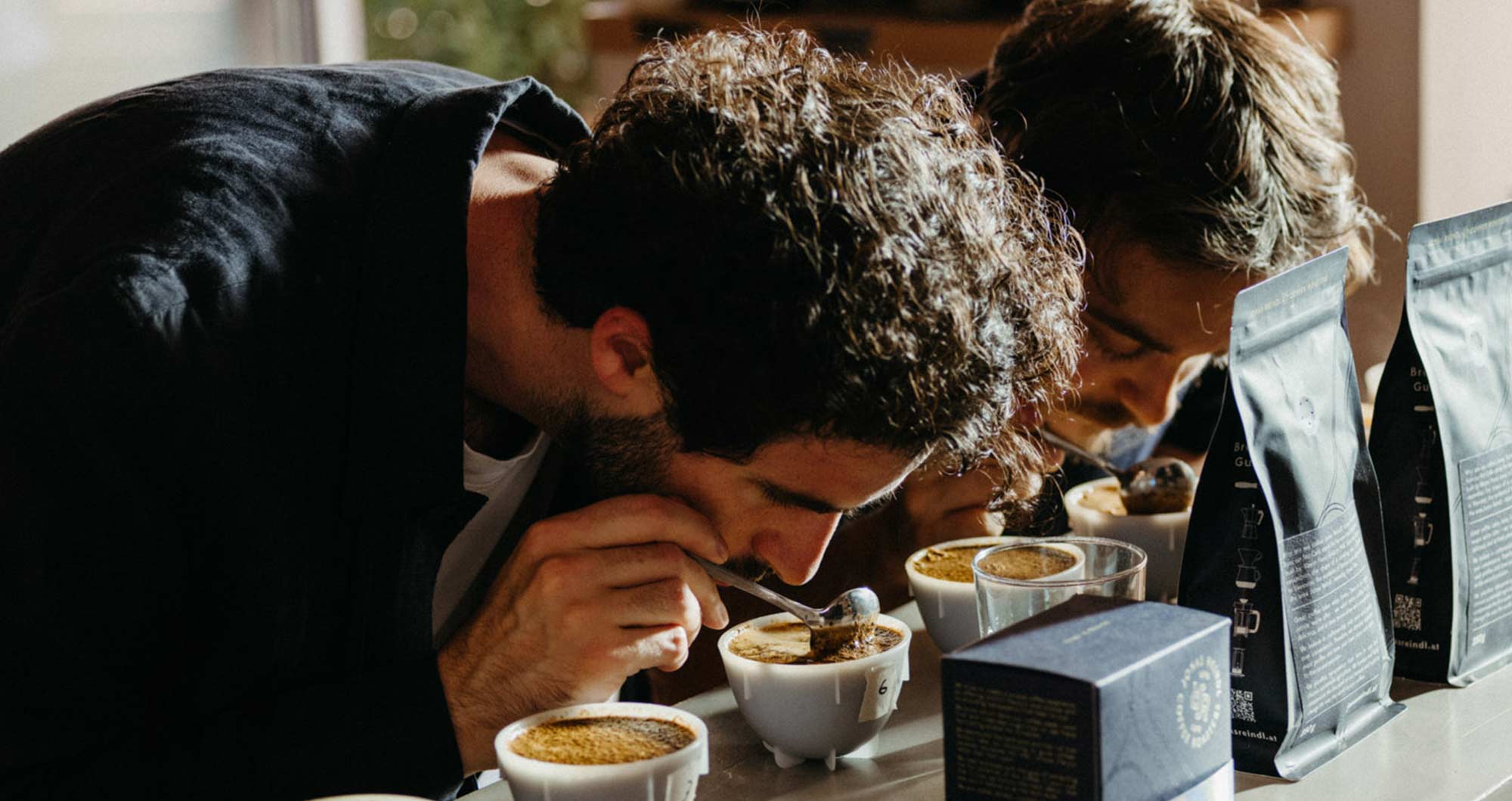
Each one of our coffees is carefully selected by our roasting team. Before we buy in bulk, we go through many samples from different specialty coffee estates. Often times we are working with the most renowned coffee producers in the world.
Small Batch Roasting
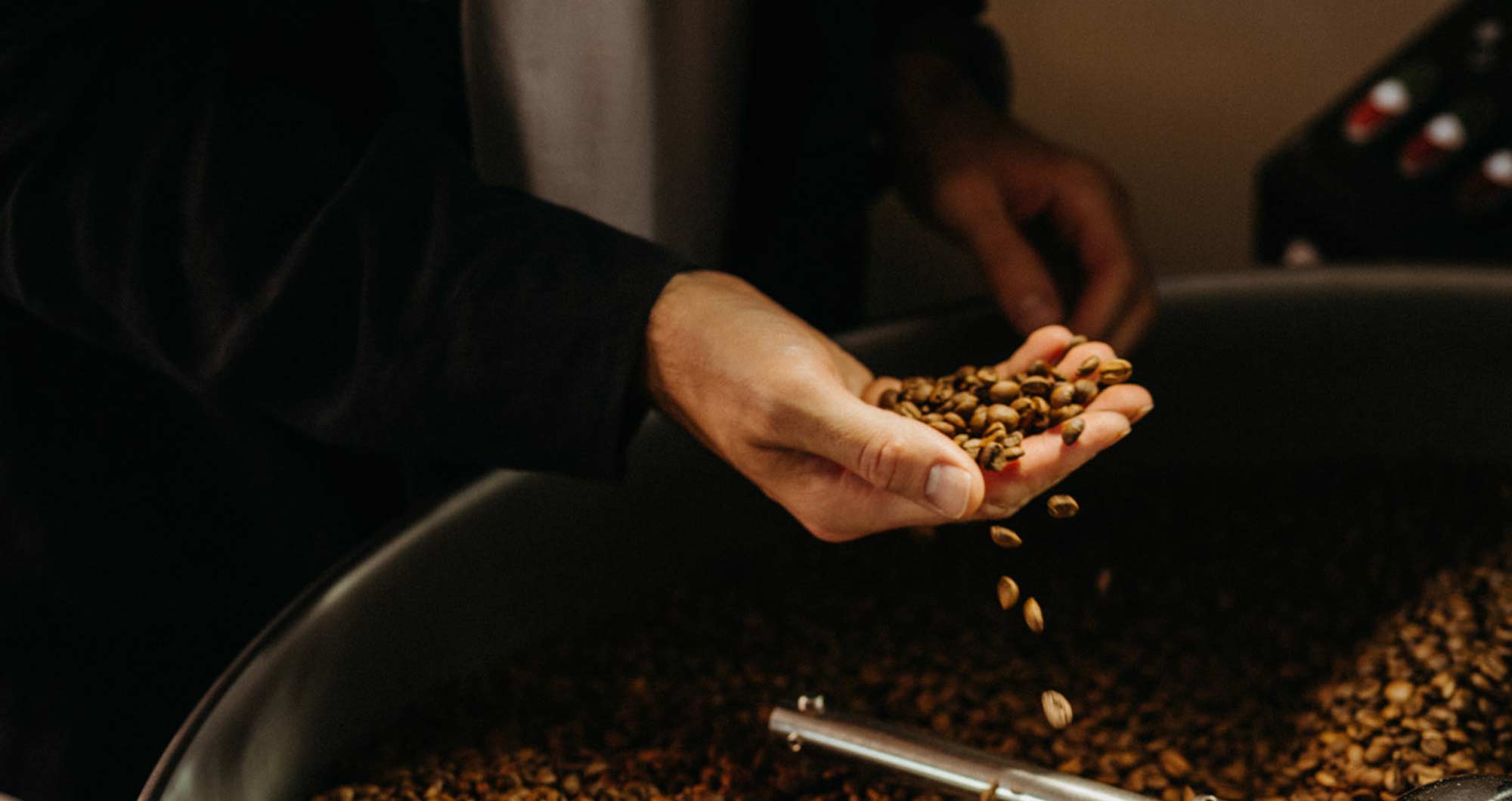
All our coffee is roasted in our Roastery in Westbahnstraße 13, in Vienna. We roast small batches (10kg max) because we have better control over all the parameters that impact the flavour profile and can therefore better guarantee consistency.
Ethically Sourced
We ensure traceability for all our coffees. Our house Espresso from Nicaragua is directly traded without any middle-men and when we go through a wholesaler, complete transparency is a must. We want to provide our customers with the ability to know where their coffee comes from down to the name of each farmer.